1. Quick call, clear plan
You tell the team what was found and where. It explains how the sweep will go and what access it needs.
Birmingham, AL · Jefferson County
How do you get rid of used needles safely in Birmingham? Call (877) 812-4220 to talk through sharps collection, disposal containers and a final walk-through to check nothing was missed.
If anyone is in danger, call 911 first. For a suicide crisis, call or text 988.
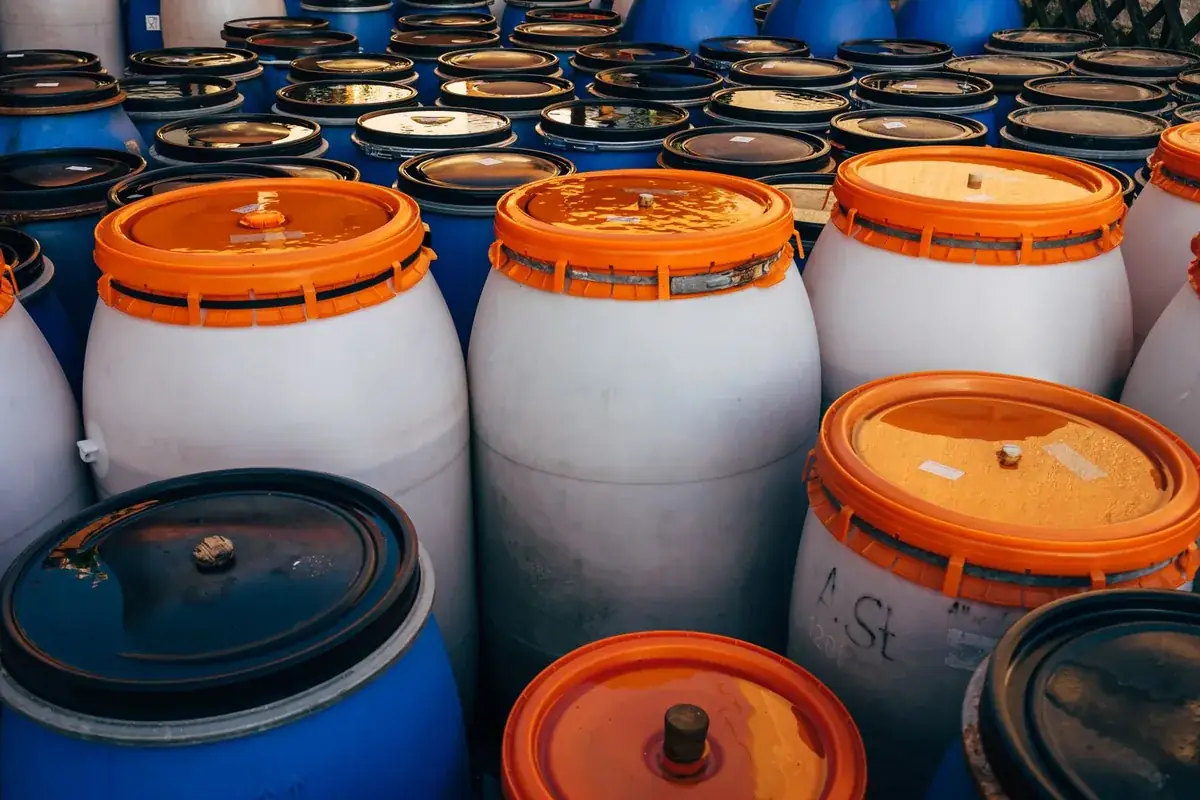
Needle and syringe pickup is a form of biohazard cleanup aimed at sharps. Protective equipment, special containers and proper disposal are part of every job.
If you find syringes while clearing a loved one's home in Birmingham, you can call Birmingham Biohazard Cleanup Help. Crews search drawers, bags and closets, and take care of the sharps so relatives in Jefferson County never have to.
With roughly 54% of Birmingham households renting, turnover is common and units are checked between tenants. A stick, cut or splash should be checked by a doctor without delay. University of Alabama Hospital in Birmingham serves people in and around Birmingham.
What needle & sharps cleanup covers:
You tell the team what was found and where. It explains how the sweep will go and what access it needs.
Cleanup technicians wear puncture-resistant gloves, eye protection and boots for the sweep.
Needles, syringes and any other sharps are gathered and sealed as they are found.
After the last walk-through, the owner can reopen the area to tenants, customers or family.
The cost of needle & sharps cleanup in Birmingham, AL depends on the amount of material, how it is packed and how it is hauled.
Timing can matter. A same-day need near a school or play area may be scheduled differently from a sweep planned for next week.
| Type of job | Typical range |
|---|
Published ranges only (); every needle & sharps cleanup job in Birmingham is priced after an on-site look. Price drivers include number of items, where they are found, whether a sweep of a large area is needed, waste disposal. Questions? Call (877) 812-4220.
Yes, because children may pick up what they find. Teach children to stay back from any needle and tell an adult. If a child touches or is stuck by a needle, wash the area, get medical care and call Poison Control.
It is a rigid, puncture-resistant box with a locking lid, made to hold needles, syringes, lancets and blades. Cleanup teams use them to seal sharps for transport. Containers should not be overfilled or opened again once locked.
The crew searches the whole area with protective gear and tools. It collects each sharp into a puncture-resistant container, cleans surfaces where sharps lay, and hauls the sealed containers away. A final walk checks that nothing was missed, and the team can provide a record.
A used needle can carry bloodborne pathogens such as hepatitis B, hepatitis C and HIV. The chance of infection from one stick depends on many things, and a doctor can explain what applies. Get medical care promptly after any stick or cut.
Some cities and counties collect found needles from public land at no charge, and many do not. Availability varies. The local health department or public works office can say what exists where you live, and a cleanup team can help with private property.
Safer options exist. Many cities and health departments have programs for found needles and may give instructions or send someone. If you are unsure, do not touch it. Leaving a needle in place and keeping others away is safer than risking a stick.
One call can start a sweep for a yard, a rental or a whole building.
Call (877) 812-4220